
Roof Car Park Leak Investigation, West London
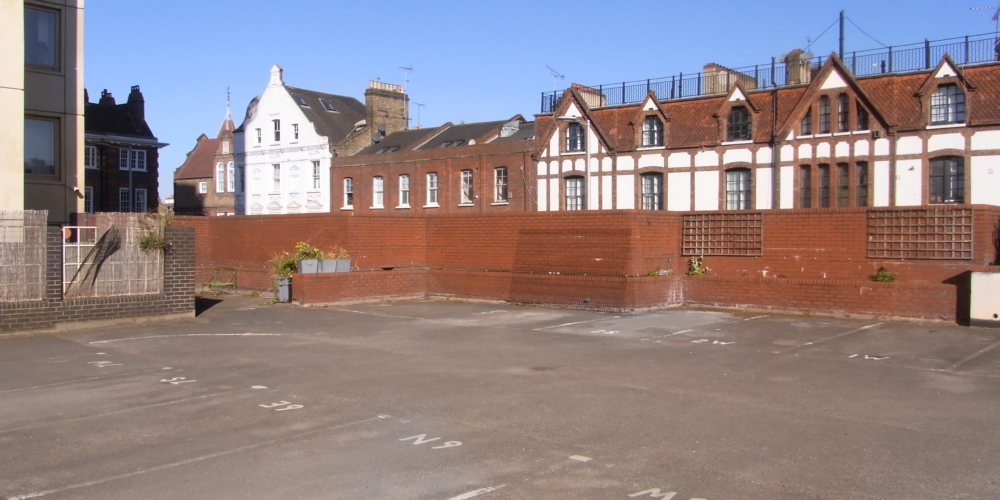
A single-storey commercial unit in west London was experiencing persistent water ingress at three internal locations. The building was unusual in that the roof also functioned as a car park, with the waterproofing system formed from mastic asphalt beneath a rolled asphalt car park finish. The leaks had caused disruption to the occupier and raised concerns over the condition of the waterproofing, the reliability of previous repairs, and the potential for water to be tracking through the roof structure before appearing internally.
Thornton Consulting were appointed to conduct our Building Leak Investigation Service to determine the source and cause of the water ingress and confirm whether the reported internal leaks were connected to defects in the roof waterproofing and provide evidence-based recommendations for remedial works.
Background and Construction
The roof comprised a trafficked asphalt car park deck over the commercial accommodation below. The waterproofing layer was mastic asphalt, with a rolled asphalt finish forming the wearing surface for vehicles. Around the perimeter, asphalt upstands had been dressed against brickwork to provide weathering to the roof edges and abutments.
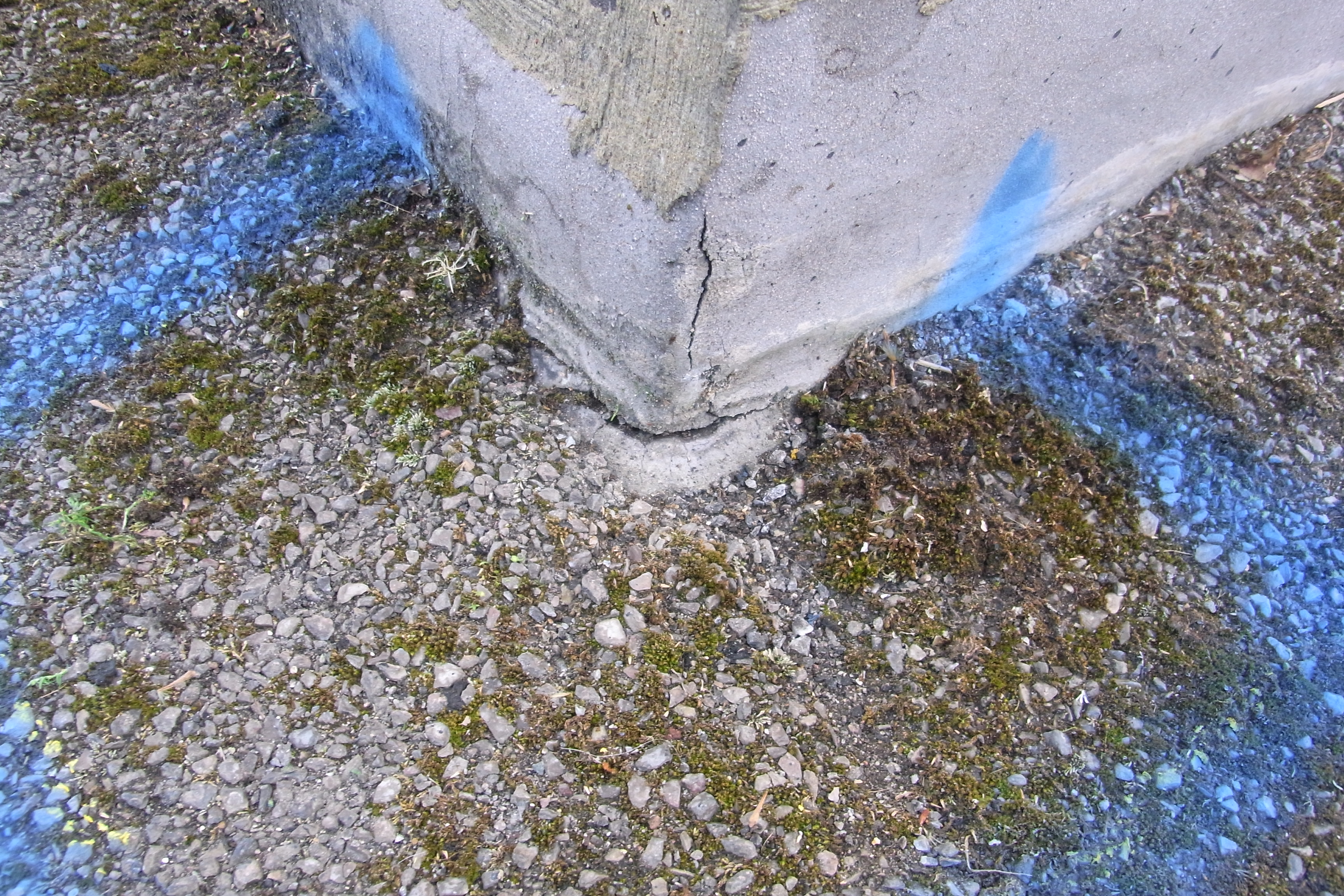
Three areas of internal leakage had been reported. These were visible as damp staining and confirmed by localised moisture readings to internal finishes below the roof deck. As is common with flat roof and podium deck leaks, there was uncertainty over whether the water was entering directly above the affected areas or travelling laterally within the roof build-up before emerging internally.
A structured investigation was therefore required, rather than relying on visual inspection alone.
Investigation Methodology
The investigation was carried out using a combination of testing techniques including; internal moisture profiling, electronic leak detection, and simulated rainfall testing.
Before external testing commenced, internal moisture profiles were recorded at and around the three reported leak locations. This provided a baseline of moisture conditions within the affected internal areas. Moisture readings were then repeated during the testing process and again after testing, allowing changes in moisture levels to be compared with specific external test areas.
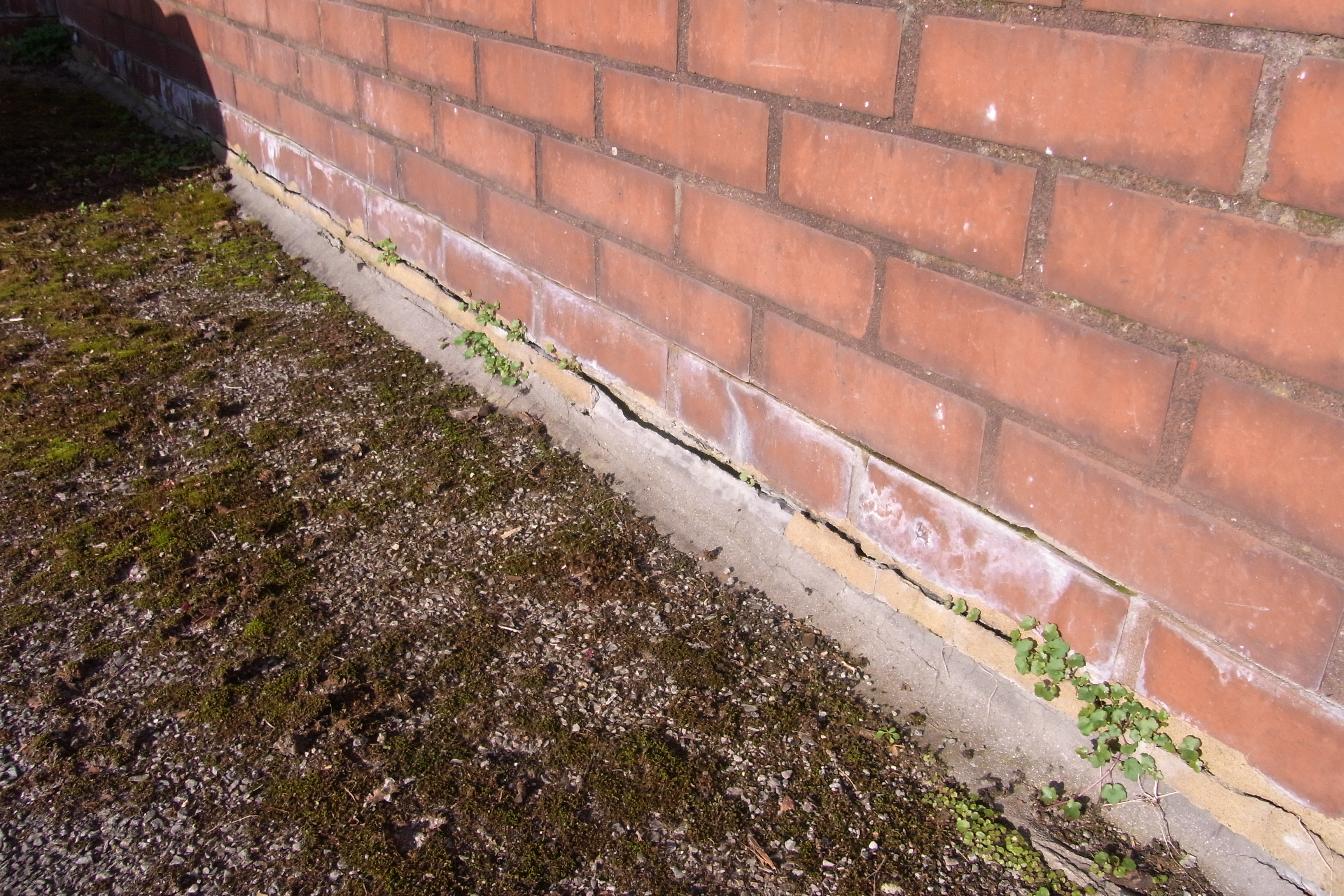
Electronic leak detection was undertaken to assess the integrity of the waterproofing. This method is particularly useful on flat roofs and podium decks because it can identify discontinuities, pinholes, splits, or other breaches in the waterproofing membrane which may not be visible at surface level.
Following the electronic testing, simulated rainfall tests were carried out to selected areas of the roof car park and perimeter details. These tests were controlled and monitored so that suspected defects could be isolated and assessed individually. Internal moisture readings were taken during and after the water tests to determine whether water applied externally was contributing to the reported internal leaks.
Findings
The investigation identified a number of breaches within the waterproofing system. These were indicated by the electronic leak detection test and subsequently assessed through controlled water testing. Several of the indicated defects were confirmed as contributing to the internal leaks.
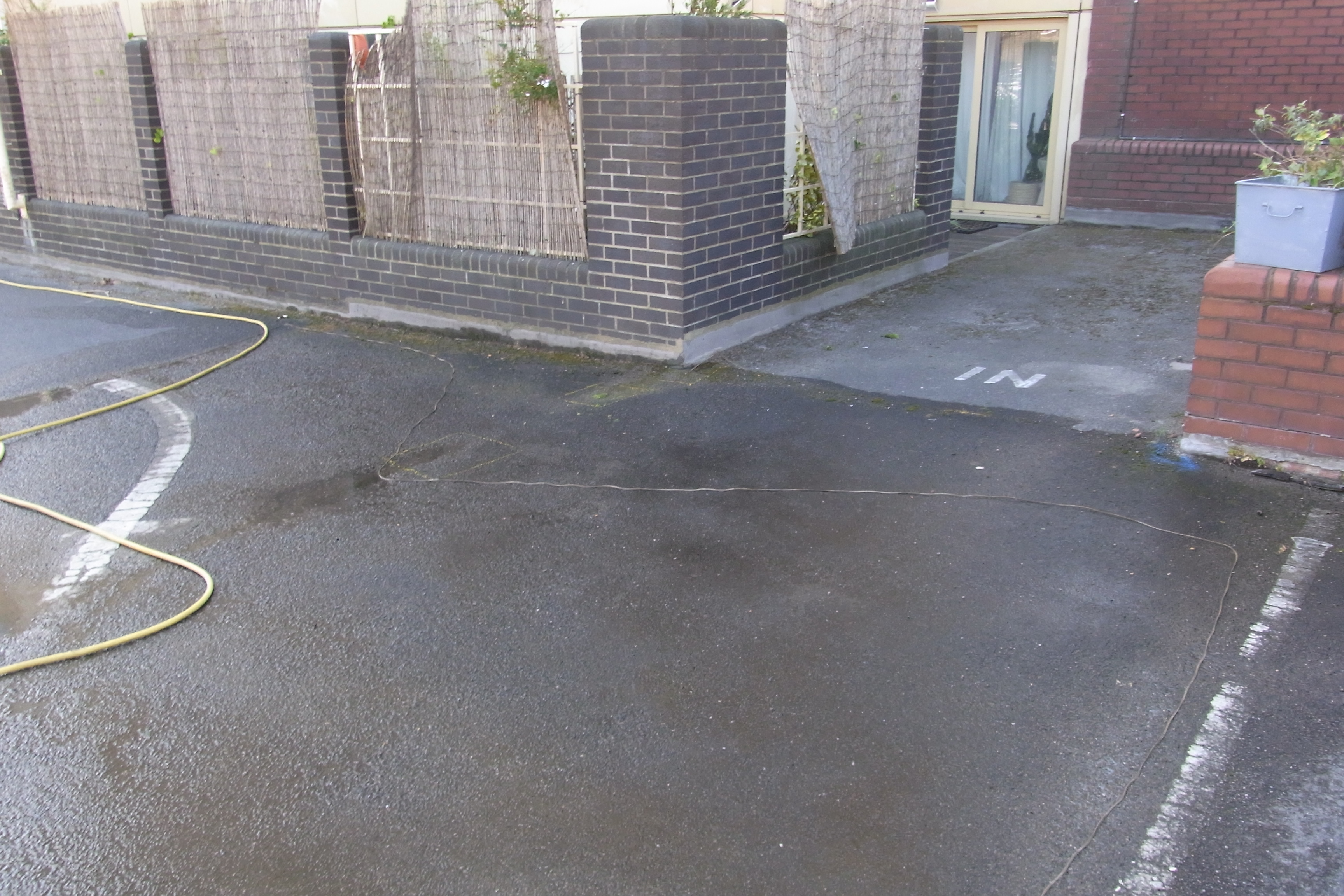
In addition to defects in the main waterproofing field, the perimeter asphalt upstands were found to be a significant source of water ingress. In several locations, the asphalt had detached from the adjacent brickwork. This detachment had created open water paths into the roof structure. Simulated rainfall testing and internal monitoring of moisture indicated this detail to be an additional source of the leaks.
Water penetrating the asphalt, through breaches or poorly bonded upstands, can migrate beneath the waterproofing system to manifest as internal leaks some distance from the point of ingress.
Conclusions
The investigation concluded that the three internal leaks were associated with multiple external defects in the asphalt waterproofing system.
The combination of test methods was critical. Internal moisture profiling provided a baseline and allowed the investigation team to track changes in moisture levels during testing. Electronic leak detection identified likely breaches in the waterproofing. Simulated rainfall testing then provided practical confirmation of which defects were active under wet weather conditions.
The investigation also highlighted the importance of perimeter detailing on asphalt roofs. Even where the main deck waterproofing is generally intact, failed upstands can create direct water paths into the structure. In this case, detachment between the asphalt upstands and brickwork was a key contributor to the water ingress.
Recommendations
Targeted remedial works were recommended to address both the confirmed waterproofing breaches and the defective perimeter upstands. The breaches identified in the asphalt should be opened up, repaired, and reinstated using materials compatible with the existing mastic asphalt system and trafficked car park finish.
If you would like information on how we can help you with similar services, contact our team today on 01342 410508 or ma**@*******************co.uk.
Our Accreditations


